

Events
Config 2026: motion, shaders, and the talks that stuck with me
Design isn't dead. The job description just keeps getting bigger.
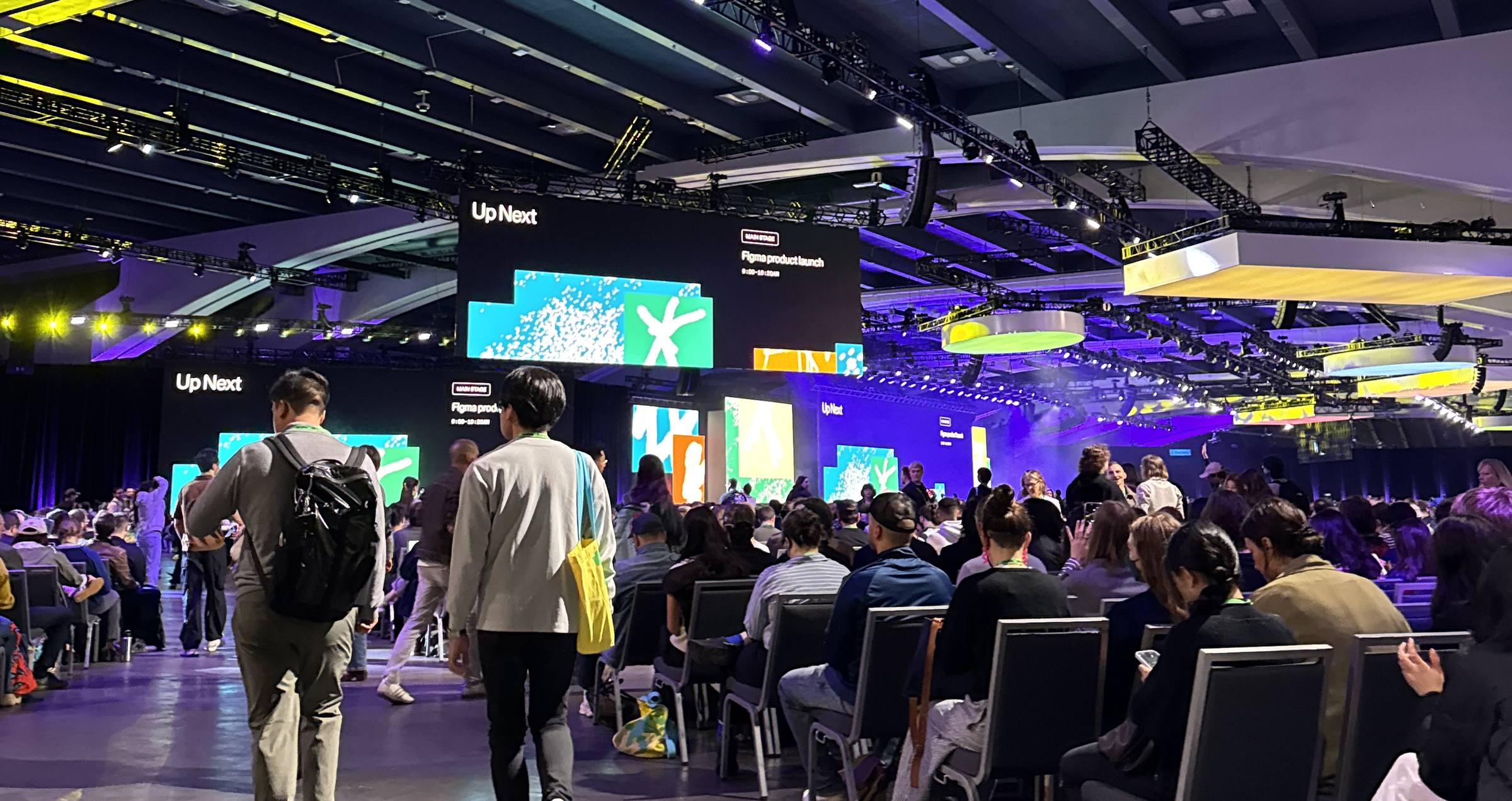
The air this year was different. Whereas 2025 felt new and exciting as we were still figuring out AI tools and their quirks—this year in 2026, AI was at the forefront and if it wasn’t in the talks, it was defintiely talked about. At the same time, having attended a few Configs now, it reminded me the story Sho Kuwamoto told a few years back.
Back then he and the team were building web tools in mid 00s and it felt like everything has already been built and the time for the good old days has long passed. But the reality was that it was just the beginning. I hope this is the case for us as well but the best way to prepare ahead despite the turubulence in tech is to continuously stay up to date on your sklls.
Figma continues to ship
There were a lot of cool demos to highlight:
- Code Layers—turn any layer into working code with a click, then explore a few directions side by side. The Figma → code round trip has been the sore spot for years. This is the most direct swing at it yet. As excited as I am about the potential of this feature—having worked in legacy code bases, I think the reality might be much more complex.
- Figma Motion—timeline, keyframes, and presets right on the canvas, wired into your design system so components animate at the component level. This one seemed most interesting to me—but here too, I wonder if Claude Code will at some point just eat Motion’s lunch.
- Shader fills and effects—AI-generated, fully parameterized, with real controls on canvas. Stackable and code-ready.
- Generative plugins—describe the tool you want in plain language and get it. No code required, shareable with your team. Haven’t played around this one yet but seems like a foreshadowing for what’s to come. If durable code isn’t required and you can resolve things with a few preset prompts—it makes you wonder, is everything just going to be a series of prompts? Most likely not but as LLMs get better, it feels like we’re inching closer to this future.
- Weave—a node-based canvas for building reusable generative workflows and publishing them out.
Dylan Field framed the whole thing as “No tool should limit where an idea can go.” Fair enough.
Design isn’t dead—it just got bigger
Everyone says Fimga is dead… but I dont’t buy it personally. Our roles as designers are definitely evolving. If over the past few years we were expected to ship mocks—now we’re expected to protopye and potentially even ship PRs. Personally, I find it liberating. I hate arguments about craft in Figma when what ends up being built is so off the mark. You can tell engineers what to do, refernece the Figma—but sometimes you just gotta go in there and do it youreslf.
In fact this is exactly what one of the talks was about from a design agency leader, who encourages his designers to get into the code and use LLMs to get the front-end output just right, wtih now 84% of prodcution being written by designers.
Outside of the usual tech demos—the talks that resonated with me were human-first.
Vicki Tan—“Ready for the world”
I’m not going to lie, I’ve been a huge fan of Vicki Tan. The amount of care, craft and consideration and mastterful blending of design elements but especially wielding color in delightful ways have always left me in awe.
Her talk traced how she turned stagnant creative energy into Ask This Book a Question, an illustrated choose-your-own-adventure for adults about decision-making, designed and written entirely in Figma. It even picked up a 2026 San Francisco Design Week award for Communication Design.
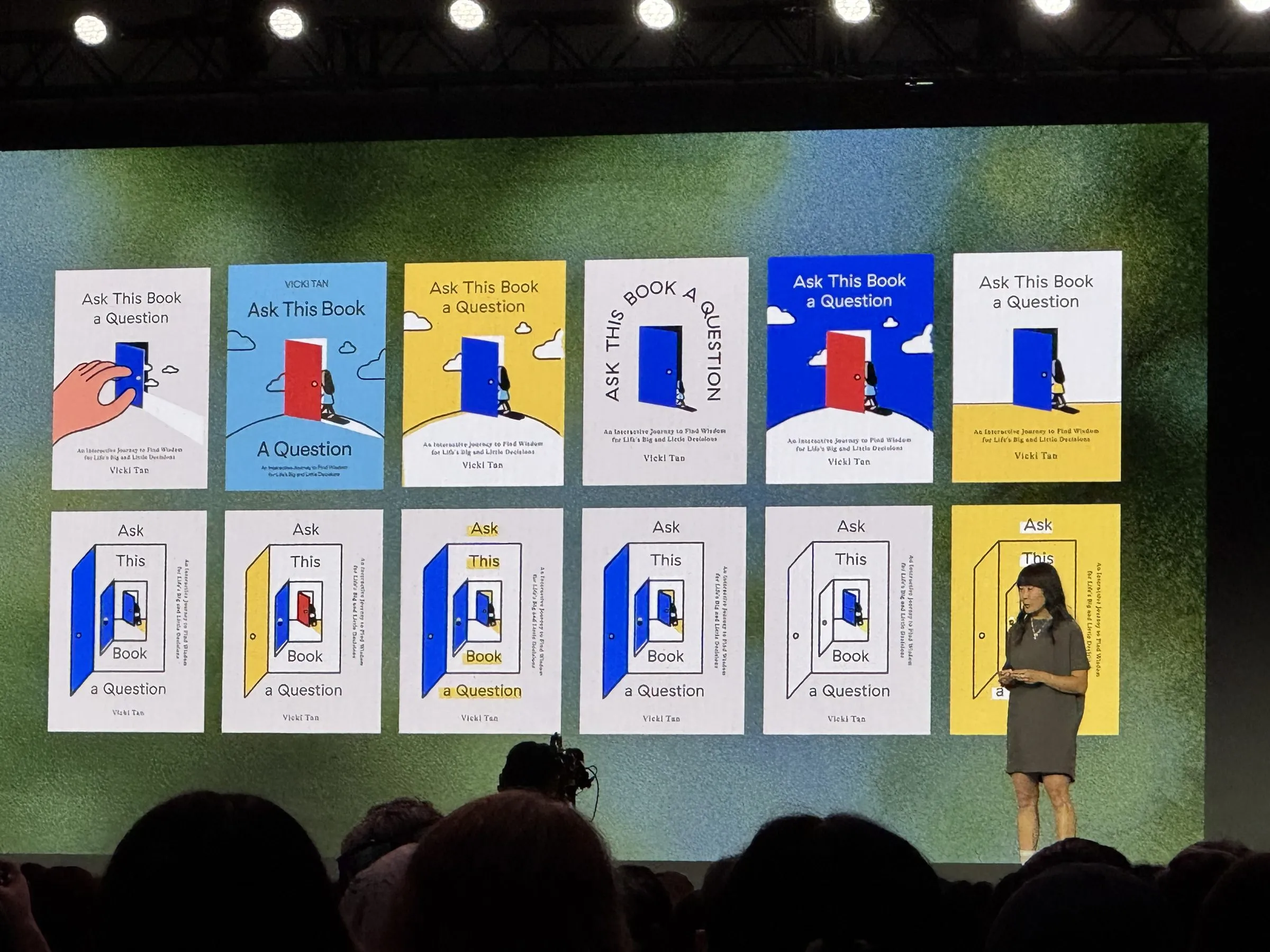
Vicki shared a raw, unfiltered and touching story about her family, her challagnes with wrangling the book from cover to content—there was so much to unpack here. In fact I was so excited about the talk that I immediately ordered the book.
Lauren Hom—“Managing multiple creative passions in a world that tells you to specialize”
Lauren is a lettering artist, muralist, designer, and—more recently—a trained chef. She’s spent a decade doing work for Vans, Target, Google, and Pinterest, and she built that career out of passion projects that happened to catch fire on the internet.
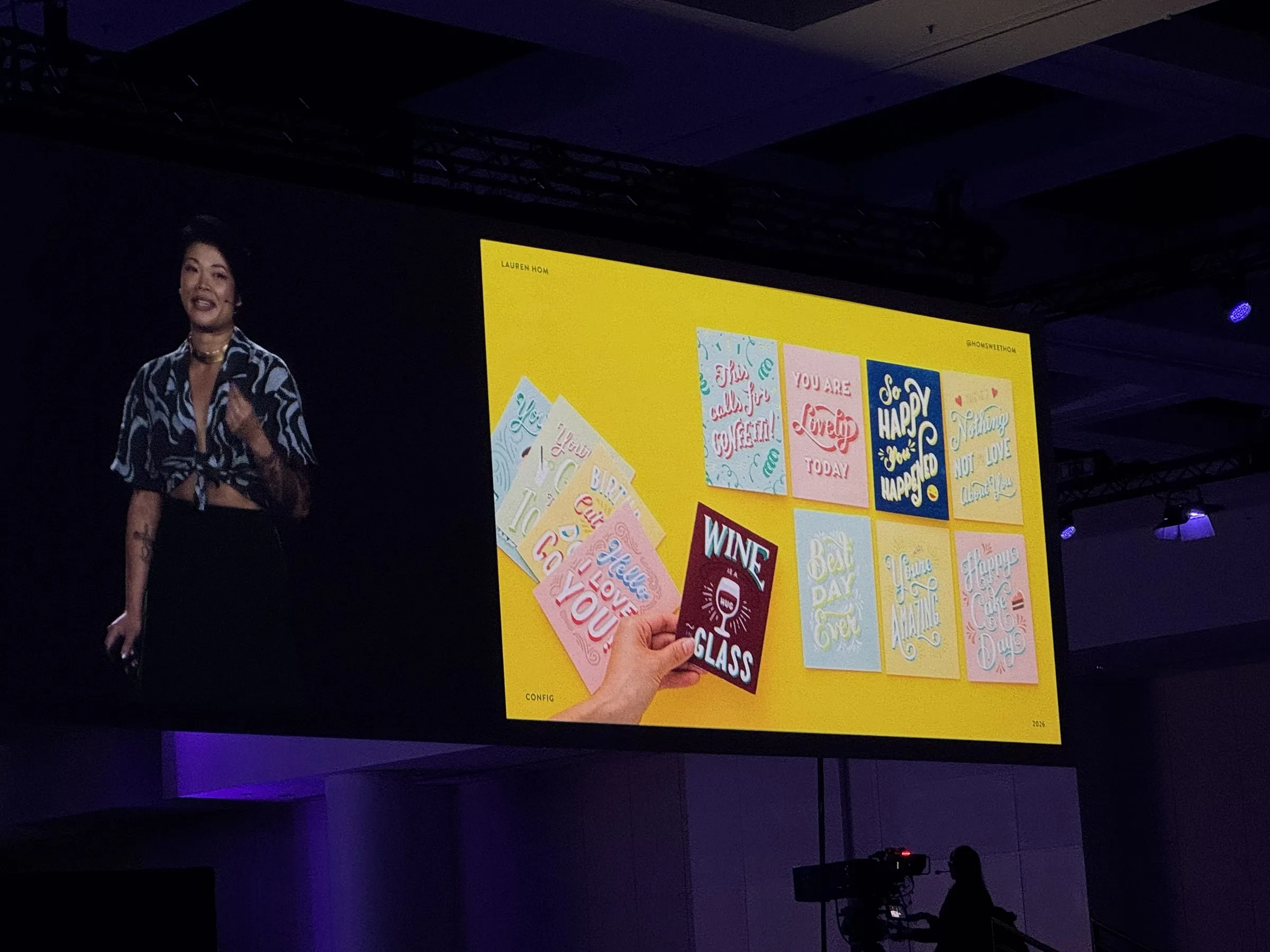
She got her start at an ad agency. But what got her out was, get this, eating raw dumplings at 3am in her NYC apartment. She debated sticking around because it’s good for the resume. But when her mentor said if she’s going to pursue the ad business further—she realized that no, it’s time to go and there’s no need to stay at a place that no longer serves her.
Lauren’s journey was fascinating. She made the leaps, embraced her creative voice and hoenstly just made some really cool sh*t. The advice everyone gets is to niche down. Pick a lane. Become the person known for the one thing. Her whole talk was a working argument against that—the range is the career. Coming from someone with a decade of receipts, it landed harder than it would as a platitude.
Ryan Powell—“Legibility by design”
This was the one I keep coming back to. Ryan Powell is Head of Design at Waymo, and his talk was about building trust in AI systems.
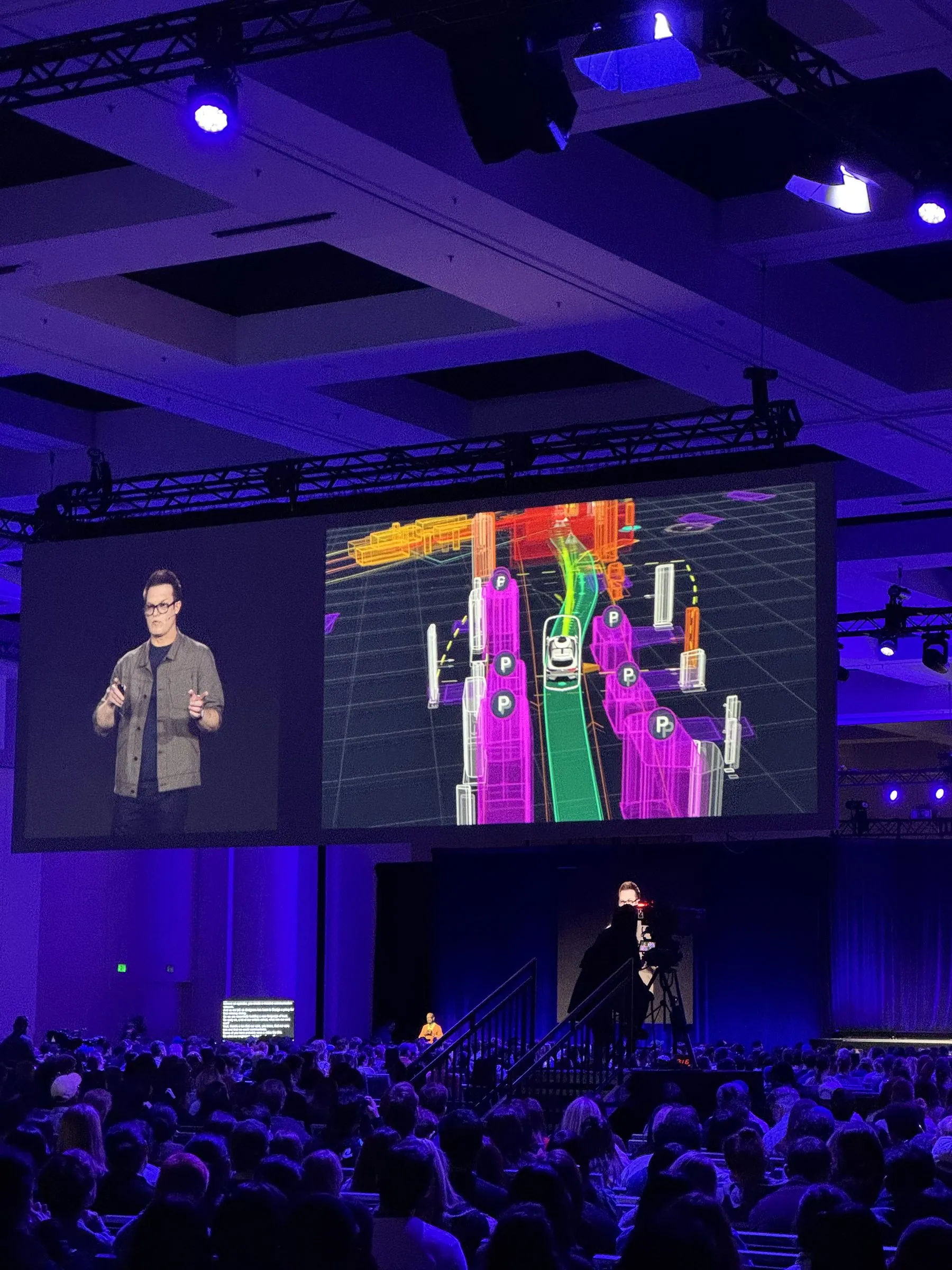
Three things I took away:
- Transparency isn’t the goal. Dumping every signal onto the screen isn’t legibility—it’s noise wearing a lab coat. Showing more doesn’t mean communicating more.
- Calibrate the feedback. The amount and kind of feedback has to match what the person actually needs at that moment. Over-explain and you erode trust just as fast as staying silent.
- Intent over status. The bar isn’t “the user can monitor what the system is doing.” It’s “the user understands what the system is trying to do.” Those are very different products.
Waymo is an extreme version of the problem—if you don’t trust the system you don’t get in the car. But every one of us shipping AI features is now designing for the same thing, usually with lower stakes and much less rigor. Most AI UI I see, mine included, is still stuck at monitoring. Showing the spinner, streaming the tokens, listing the steps. Almost none of it communicates intent.
More pics
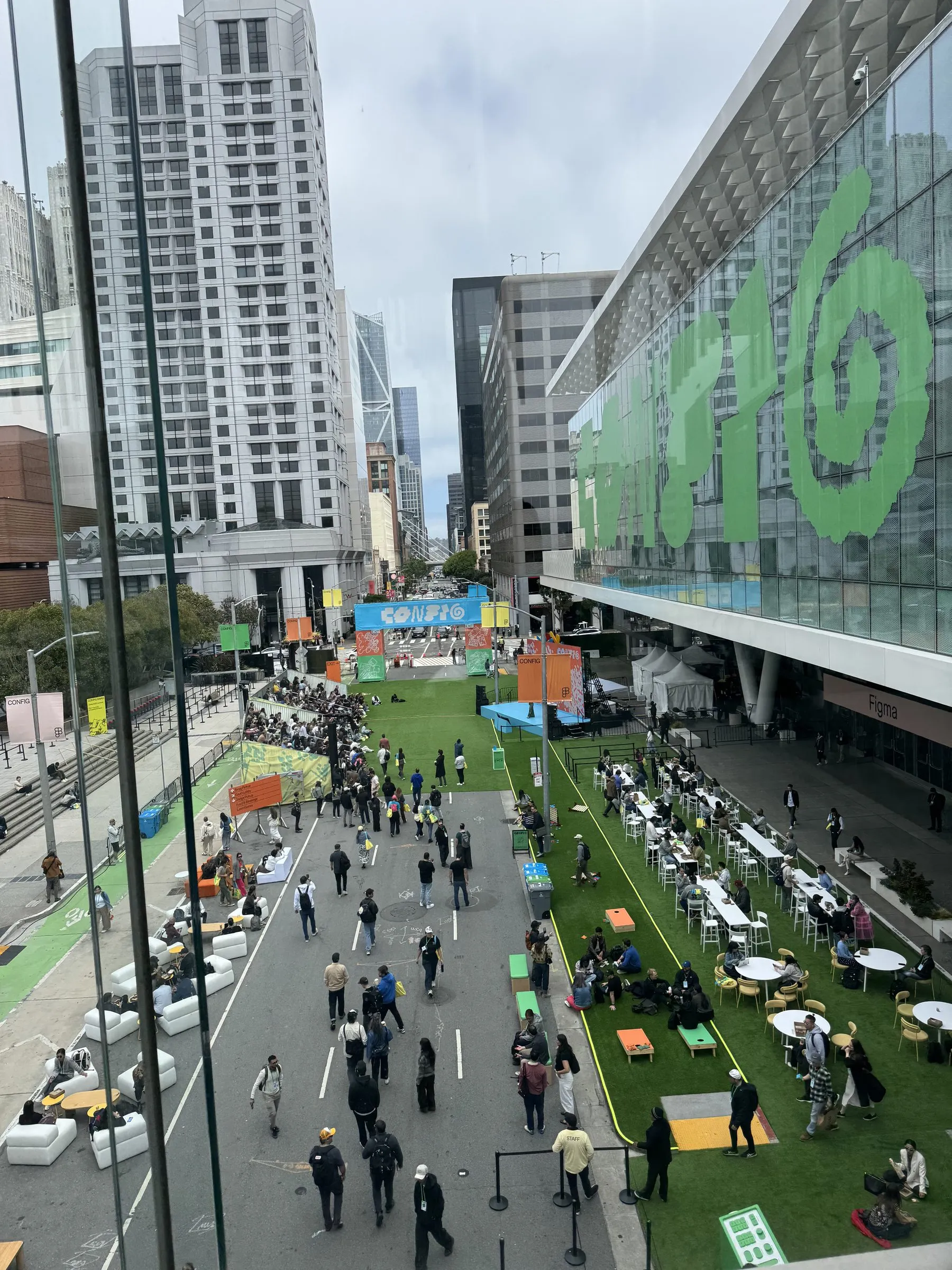
What’s next?
Last year I said we were in a golden age and the tools were still crude. Now, we’re at the epicenter of the evolution or perhaps revolution. The talks that stuck with me were less about tools and more about the humans. The creaives, their brave leaps into unknown and their ability to steer their focus on the right things that nurture them (and their bank account).
We’re in a time of rapid change no doubt. Code is beomcing cheaper. Design and intent is still key.
-

Building
29,651 tasks later—what I learned vibe coding my to-do app
Checking off tasks became an addiction but the app behind it was failing me.
-
Career
If you build it, they won't come—and that's precisely the point
Most developers building apps today are asking the wrong question. The choice isn't “will people use this?”—it's whether you're building for them at all, or building something tailored so precisely to yourself that shipping it would ruin the point.